How To Manage Anxiety?
Anxiety is something most people will experience at some stage throughout their lives. However, for some, it’s far more regular and becomes a debilitating and dangerous state of mind they feel completely trapped in.

Anxiety is a future-oriented state of mind where people get lost in a story they’re telling themselves about a future event. It’s crucial to be able to identify this train of thought and reel yourself back to the present moment. Anxiety affects people differently, meaning there isn’t a cookie-cutter method for eliminating it. However, much research has been done on the topic, and there are various techniques designed to bring you back to earth. We will explore a few of these in this article. We must remind readers that these techniques will feel foreign, to begin with, but they are much like an exercise in the sense that they will get easier through repetition.
Follow the 3-3-3 Rule
One of the most important aspects of dealing with anxiety is having the ability to notice what’s going on and taking steps to calm yourself down. One step we recommend is known as the 3-3-3 rule. Simply, look around you and name three things that you can see. Then, name three sounds you can hear. After that, move three parts of your body in controlled, deliberate movements, e.g Rolling your wrists or ankles in circles. Whenever you feel your mind starting to race, this technique can be very helpful to centre your mind and bring you back to the present moment. This will allow you some reprieve from the exhausting loop of unhelpful thinking.
Ask for a second opinion
Get in touch with someone you trust, ideally in person, but a phone call should still do the trick. Tell them how you’re feeling and run through your worries. In a lot of cases, this will allow you to see your thoughts for what they really are, which, in a lot of cases, helps you realise they’re not at all rational. It also allows your confidante a chance to remind you that you’re loved and supported, and you will not feel this way for long. If you do not wish to share your feelings and thoughts with another person, writing them down on paper can also often provide you a deeper level of understanding.
Steer Clear of Sugar
Often times when we’re feeling down, we reach for some comfort food. However, it’s important to realise eating that chocolate bar can do more harm than good in terms of your anxiety. Sugar simply provides your brain with more energy and has proven to worsen the feelings of anxiousness. You’re better off looking for some complex carbohydrates like whole grains or starchy vegetables to offer slow-burning energy your body can use to recover.
Soak Your Worries Away
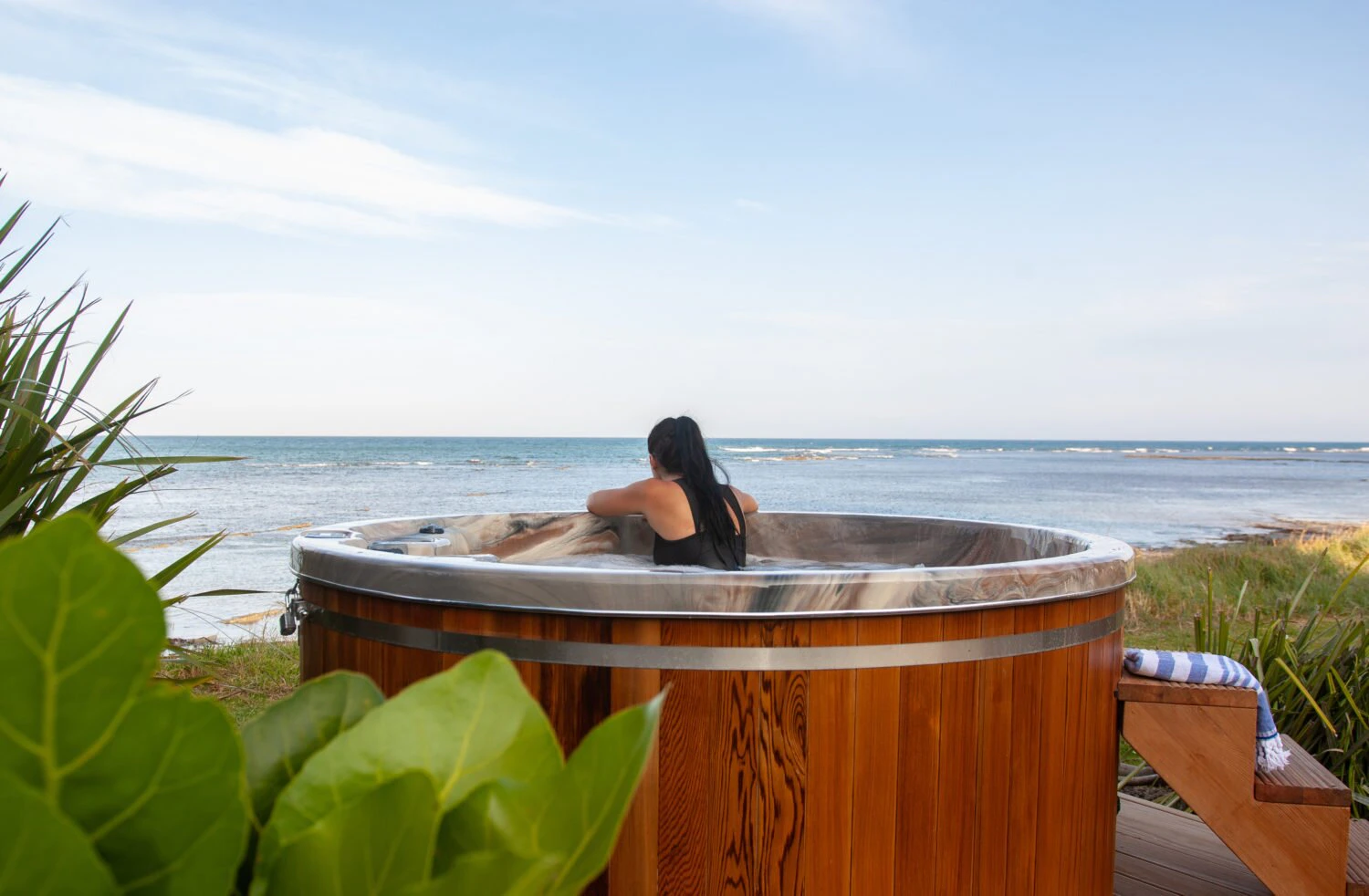
Slipping into a warm Spa Pool is always an excellent way to relax and enjoy the present moment. However, the hydrotherapy that comes with a spa pool is also believed to reduce feelings of anxiety. Hydrotherapy works by targeting specific areas of the body known to hold stress and relieving that tension through targeted massage jets. As mentioned above, this release of muscle tension should also start to cross over into alleviating your anxiety. Sitting in the spa pool is also an excellent time to practice some mindfulness. Listen to the soothing sound of the water and focus yourself on controlled breathing. Where does your mind wander to… take stock of all these feelings and worries, notice everything. Remind yourself, you will tend to these later, and then re-focus on your breathing. Soon enough you will find yourself savouring the present moment, and slowly returning to a state of tranquility.
Progressive Muscle Relaxation
In the 1920s, a physician by the name of Edmund Jacobsen discovered a relationship between deep muscle relaxation and reducing feelings of anxiety. He worked with the understanding that by consciously trying to reduce the amount of tension we feel in our muscles, we can influence how anxious we feel. The aim of what is now known as ‘Progressive Muscle Relaxation’ (PMR) is to learn how to release tension in our muscles through daily exercise. This is believed to communicate feelings of calm and safety to our body, reducing the need to activate a “fight or flight” response. You can try this method by tensing your bicep as hard as you can and holding that squeeze for between 5 and 7 seconds. After letting go, completely relax your arm, let it fall to your side, and feel the difference between the tension you just experienced and the relaxation now taking over your arm. You may even notice a warm sensation of blood flowing into the area. Jacobsen’s studies have suggested that doing this with each group of muscles in the body, as a regularly practiced exercise will take effect over time.
Got a Question about our saunas?
Ever wondered "Is an Infrared Sauna better than a traditional Sauna?" or "How hot does a Sauna get?" - Here are all the answers you need to make a well informed decision.
Got more questions? Just ask our team.
What’s the difference between a traditional and an infrared sauna?
Traditional saunas heat the air using a heater and sauna stones, creating that hot, dry heat you can really feel – and you can add water to create steam. Infrared saunas work differently – they use infrared panels to gently heat your body from the inside out. You’ll sweat just as much, but at lower temperatures. It really comes down to personal preference – some people love the intensity of traditional heat, others prefer the gentle warmth of infrared.
What are the benefits of using a sauna?
Regular sauna sessions can help relax tight muscles, boost circulation, reduce stress and support better sleep. Many people also find it helps with recovery after exercise, clearer skin, and even overall mood. Whether it’s for wellness or winding down, it’s one of the best things you can do for your body and mind.
Why choose an Alpine sauna?
Our saunas are built with premium, sustainably sourced Canadian red cedar or hemlock – not just for looks, but for lasting performance. In our infrared models, we use industry-leading, safe carbon panels for a deep, effective sweat. In our traditional saunas, we use trusted Harvia™ heaters for that classic, steamy heat.
Every layout is carefully designed and tested for comfort and proper ergonomics – so your sauna session feels as good as it should. Plus, all our saunas come with world-class warranties and support from our friendly Aussie-based team.
Is it hard to install a sauna at home?
Most of our indoor saunas are really easy to install – they come in pre-cut panels and plug into a standard power supply. Our outdoor saunas take a bit more time, but they arrive as a kitset with clear, step-by-step instructions. Whether it’s inside or out, we’ll help guide you through the setup process, and our team’s here if you need support.
How hot does a sauna get?
It depends on the type and the model. Our traditional saunas usually sit between 70 and 90 degrees Celsius, but some models can go well over 100. That said, the key to a great sauna session isn’t just about heat – it’s about humidity. You can control that by adding water to the stones for that classic steam feel.
With our infrared saunas, most people get a really effective sweat at around 50 to 60 degrees – but some of our models can reach up to 70. It’s a gentler heat, but it penetrates deeper and works just as well.
What’s the difference between a traditional and an infrared sauna?
Traditional saunas heat the air using a heater and sauna stones, creating that hot, dry heat you can really feel – and you can add water to create steam. Infrared saunas work differently – they use infrared panels to gently heat your body from the inside out. You’ll sweat just as much, but at lower temperatures. It really comes down to personal preference – some people love the intensity of traditional heat, others prefer the gentle warmth of infrared.
What are the benefits of using a sauna?
Regular sauna sessions can help relax tight muscles, boost circulation, reduce stress and support better sleep. Many people also find it helps with recovery after exercise, clearer skin, and even overall mood. Whether it’s for wellness or winding down, it’s one of the best things you can do for your body and mind.
Why choose an Alpine sauna?
Our saunas are built with premium, sustainably sourced Canadian red cedar or hemlock – not just for looks, but for lasting performance. In our infrared models, we use industry-leading, safe carbon panels for a deep, effective sweat. In our traditional saunas, we use trusted Harvia™ heaters for that classic, steamy heat.
Every layout is carefully designed and tested for comfort and proper ergonomics – so your sauna session feels as good as it should. Plus, all our saunas come with world-class warranties and support from our friendly Aussie-based team.
Is it hard to install a sauna at home?
Most of our indoor saunas are really easy to install – they come in pre-cut panels and plug into a standard power supply. Our outdoor saunas take a bit more time, but they arrive as a kitset with clear, step-by-step instructions. Whether it’s inside or out, we’ll help guide you through the setup process, and our team’s here if you need support.
How hot does a sauna get?
It depends on the type and the model. Our traditional saunas usually sit between 70 and 90 degrees Celsius, but some models can go well over 100. That said, the key to a great sauna session isn’t just about heat – it’s about humidity. You can control that by adding water to the stones for that classic steam feel.
With our infrared saunas, most people get a really effective sweat at around 50 to 60 degrees – but some of our models can reach up to 70. It’s a gentler heat, but it penetrates deeper and works just as well.

Written By our Spa Pool Expert - Kyle Clement

Kyle Clement is one of our Alpine Spas spa pool specialists. With years of hands-on experience and a genuine passion for spa pools and great customer service. From first-time buyers to seasoned enthusiasts, he is helping people find the right spa pool for their space, their lifestyle, and their budget.
Related Articles
3 minute readWhat is the Best Wood for a Sauna? (Cedar vs Hemlock)
Discover the differences between cedar and hemlock wood for your sauna. Learn about differences in scent, look, durability and cost.
3 minute readWhat is the Best Time of Day to Use a Sauna?
Discover the best time of day to use a sauna — morning, afternoon, or evening — to boost energy, relax muscles, and improve sleep.
3 minute readWhat Impact Do Infrared Saunas Have on Skin Health and Detoxification?
Discover how infrared sauna heat works from the inside out to improve your skin's clarity, firmness, and supports your body's detoxification process.
2 minute readHow Long and How Often Should I Use a Sauna?
This guide covers how long and how often to use a sauna, whether you're just starting out or looking to build a regular routine.
4 minute readCan I Install any Infrared Sauna Outdoors?
Explore why you can only install dedicated OUTDOOR Infrared Saunas outside but not an INDOOR Infrared Sauna.
1 minute read10 Advantages of Spa Pool Ownership
Discover 10 real health and lifestyle benefits of owning a spa pool, from better sleep and reduced stress to improved heart health and quality family time.
Newsletter
Sign up to be the first to hear about deals, special offers, and new products that can help you get the most of out of your Spa Pool, Sauna, Hot Tub, Ice Bath, Swim Spa and more.