What is the difference between Traditional Sauna and Infrared Sauna?
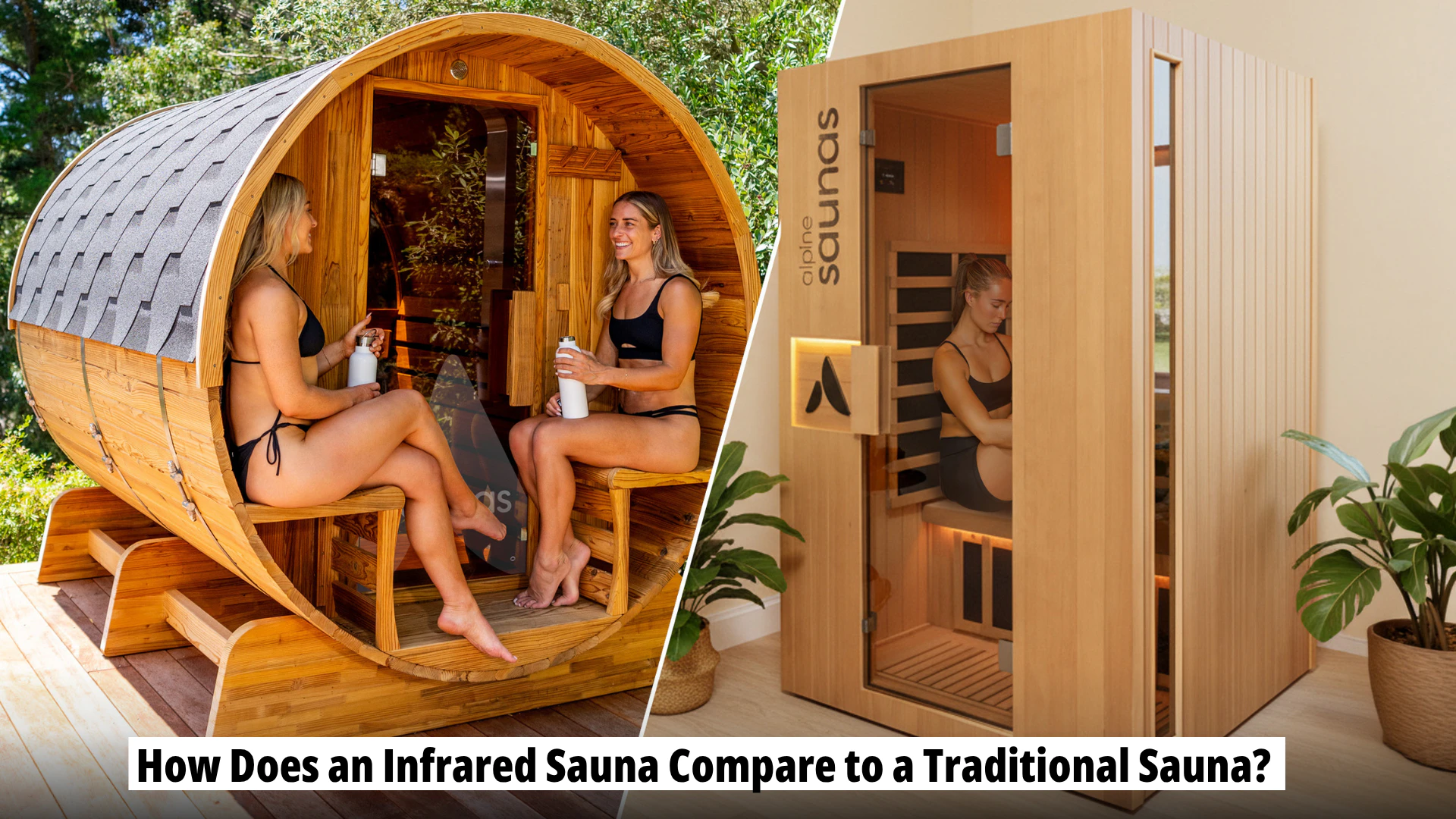
As the personal sauna revolution continues to gain steam throughout Australia, consumers may be asking themselves a similar question: am I better suited to an traditional steam sauna, or infrared sauna?
This multifaceted question requires some research, but we’ll cover everything you need to know in this short article.

Motivations for Sauna Use
In years gone by, we have largely sought out Saunas during the Winter months, feeding a desire for a warm place to relax – a leisure activity that was perhaps less focused around detoxifying the body as it was designed to escape the cold and warm the soul.
However, in recent years the Sauna industry has exploded with exciting new technology to offer users a different kind of sweat session. This technology is known as Infrared heat, which allows users to achieve a deep sweat at a lower temperature than that of a traditional Sauna.
.jpg?auto=format,compress&crop=focalpoint&fp-x=50&fp-y=50&fp-z=1&w=796&h=498&fm=avif&q=90&fit=crop)
Which type of Sauna is Hotter?
In almost every case, you will find traditional Sauna temperatures exceed those found in Infrared Saunas. A traditional Sauna uses a heater and hot rocks to heat the air in which you will relax, whereas an Infrared Sauna actually heats you directly. The heaters within an Infrared Sauna emit beams of light which pierce your skin and warm your body at a cellular level. In a majority of cases, this direct heat allows users to stay in the Sauna and maintain their sweat for a longer period than that of traditional saunas without overheating. In essence, a traditional Sauna is hotter, but the heat emitted by an Infrared Sauna is more targeted and efficient.
.jpg?auto=format,compress&crop=focalpoint&fp-x=50&fp-y=50&fp-z=1&w=796&h=498&fm=avif&q=90&fit=crop)
User Experience
Sauna users will experience very similar health benefits whether they opt for Infrared Heat or traditional steam Saunas. However, it’s important to consider the differences in the experience offered by each of these technologies.
.jpg?auto=format,compress&crop=focalpoint&fp-x=50&fp-y=50&fp-z=1&w=796&h=498&fm=avif&q=90&fit=crop)
Infrared Saunas
In most cases you will find that Infrared Saunas are designed to be used indoors. This is partly due to the fact Infrared Saunas operate effectively at lower temperatures by heating the user directly. The warmth is not being wasted on passive space within the Sauna, it is penetrating your body and heating you directly. Infrared Saunas helping users achieve a deep sweat at a lower temperature also means they can remain in the Sauna for longer periods without overheating, accommodating a longer exposure to the excellent physiological benefits we have come to love from Sauna use.
-1759375008.jpg?auto=format,compress&crop=focalpoint&fp-x=50&fp-y=50&fp-z=1&w=796&h=498&fm=avif&q=90&fit=crop)
Traditional Saunas
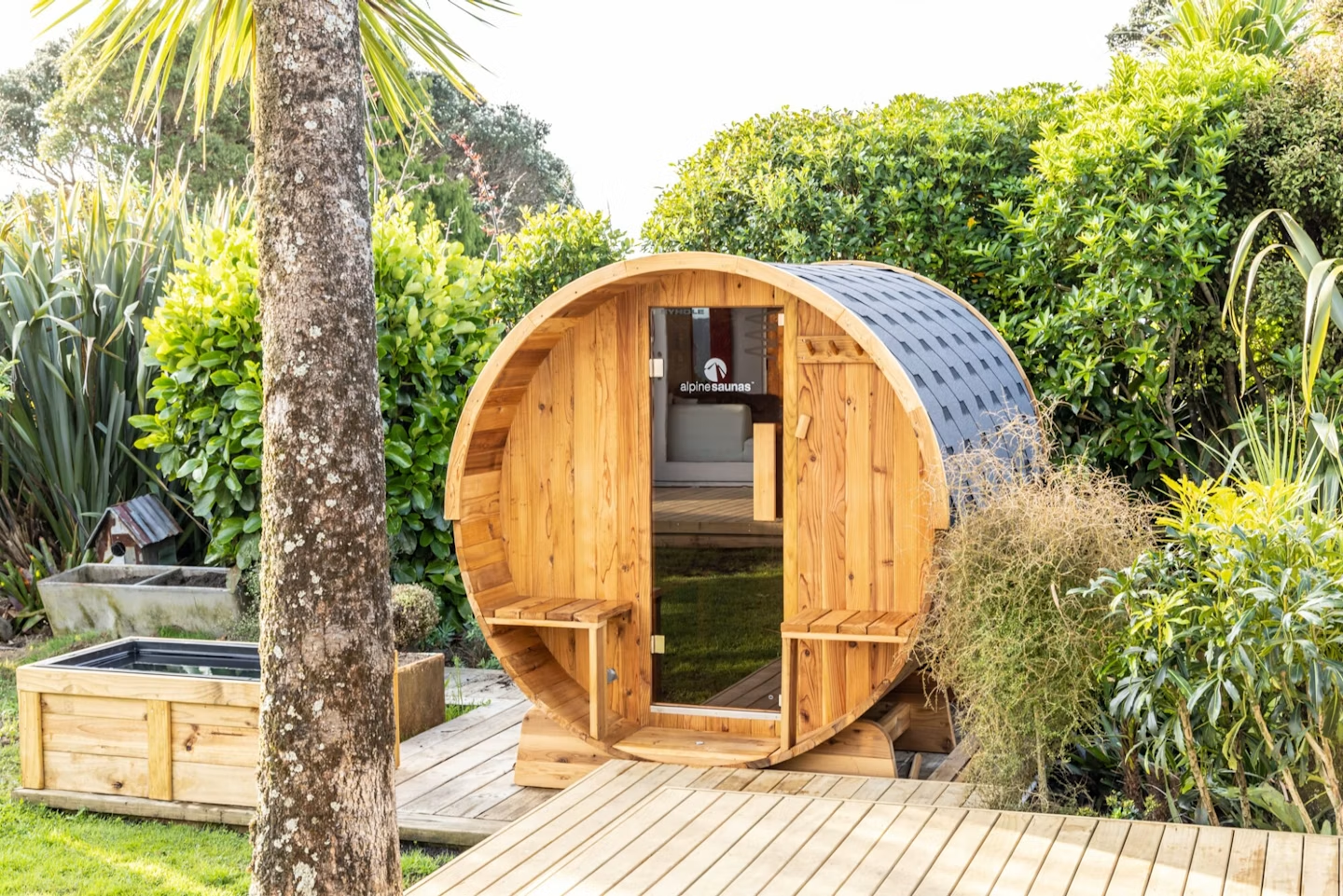
Sauna users are most commonly situated outdoors unless they are within a larger leisure complex. This technology generates that welcoming wave of heat you experience as you open the Sauna door. For a majority of avid sauna users, this is the type of Sauna they are used to and therefore most drawn to. With an element and hot rocks heating the room to high temperatures, most users will struggle to last more than 20 minutes in a traditional sauna, prompting them to take a break and cool down in between stints inside.
In summary, your home sauna selection should be predicated on whether your desired Sauna space is indoor or outdoors and which experience is most appealing to you. If you seek that dry wave of heat waiting for you on entry, then a traditional Sauna is the option for you. If you’re looking to maximise the physiological benefits and aren’t so concerned with raw heat, you’re better suited to an Infrared Sauna.
View our incredible range of Infrared and Traditional Saunas here.
PS: Wood Fired Saunas are a subset of Traditional Saunas, as they produce heat and steam. The only difference is that a wood burner is used to heat the Sauna instead of electricity, which is great if you live off-grid.
Written By our Sauna and Ice Bath Expert - Matt Carter

.jpg?auto=format,compress&crop=focalpoint&fp-x=50&fp-y=50&fp-z=1&w=320&h=320&fm=avif&q=90&fit=crop)
